
Discover how British engineering reshapes indoor air quality with high-performance ventilation solutions designed to meet every architectural demand.
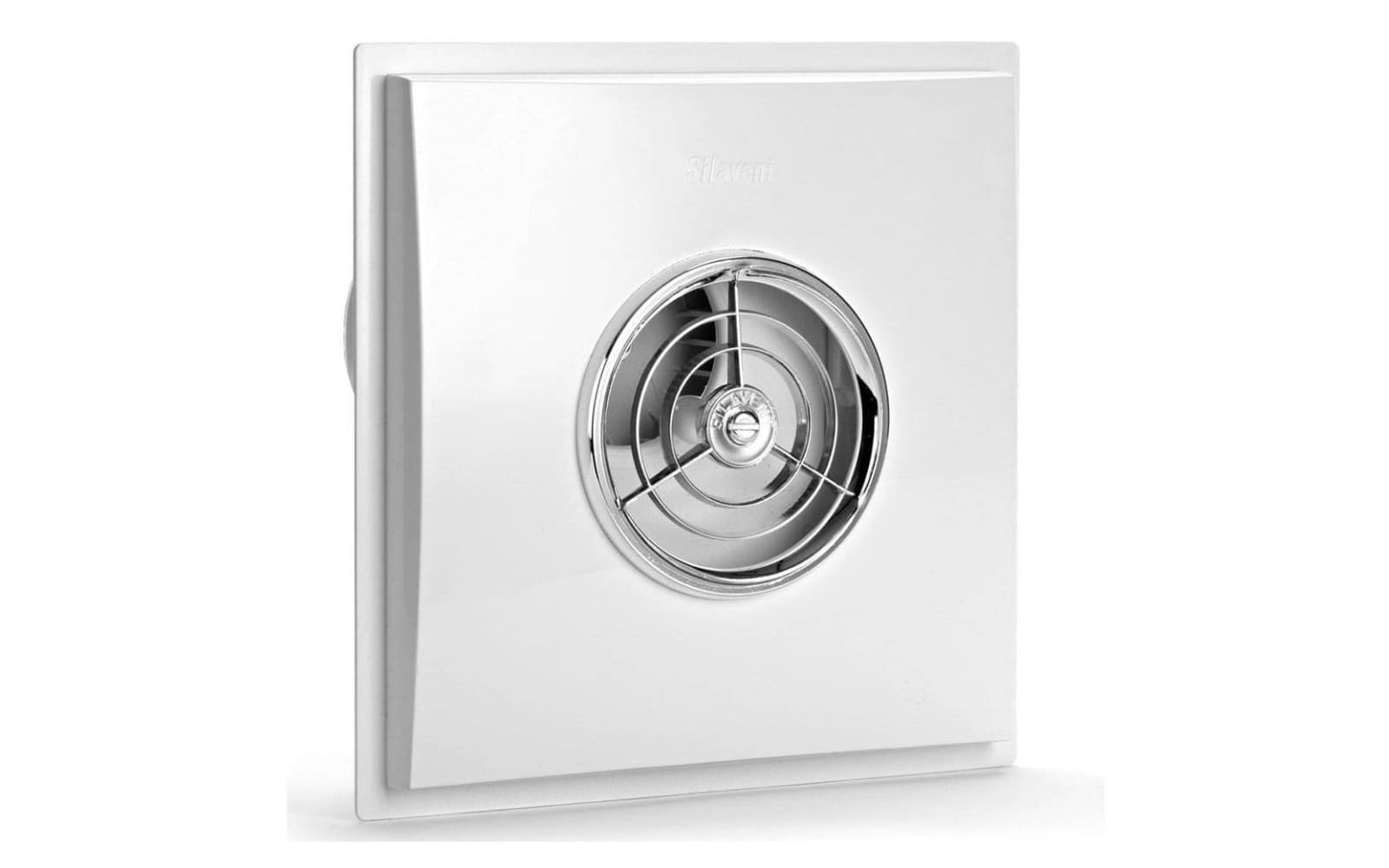
Silavent Ventilation Solutions
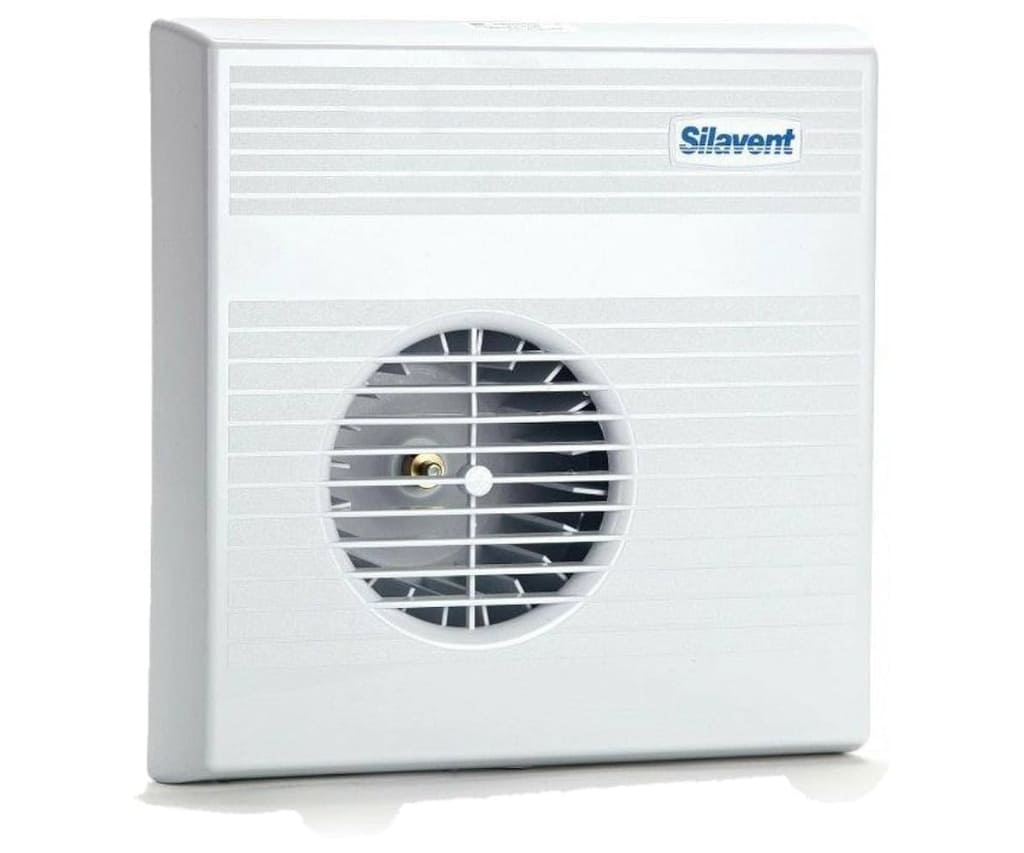
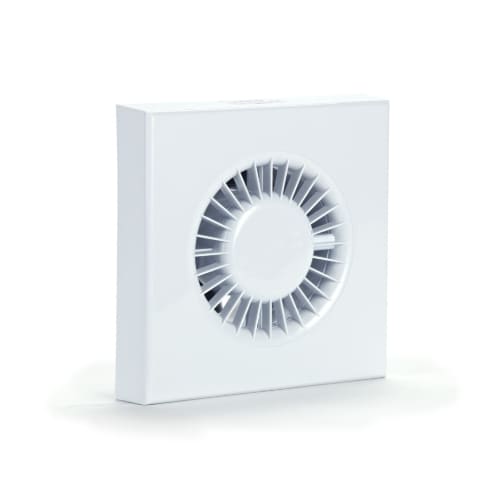
Axial Extractor Fans
These wall- and window-mounted fans provide efficient, automated airflow control through short duct runs, making them the ideal choice for quick extraction in bathrooms and kitchens.
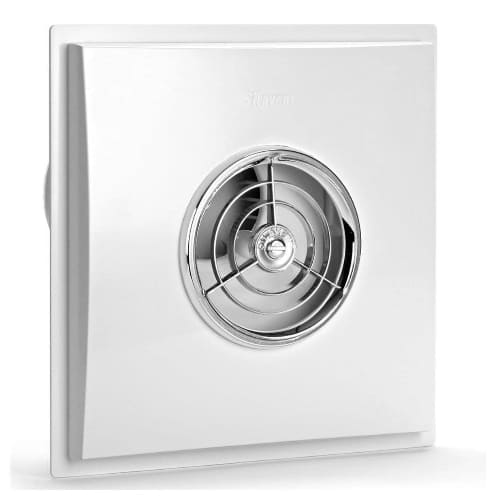
Centrifugal Fans
Engineered to overcome high static resistance, these robust units easily push stale air through long, complex duct networks and vertical commercial risers without dropping efficiency.
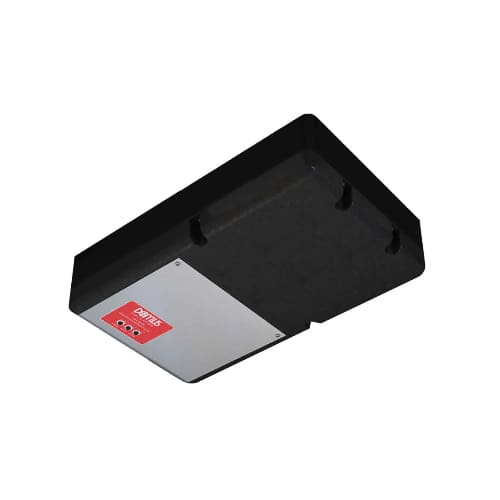
In-Line Extractor Fans
By moving the motor into lofts or ceiling voids midway along the duct run, these specialized units keep operational noise completely isolated from the room below.
Mechanical Extract Ventilation (MEV) Systems
These centralized, continuous whole-house units quietly draw damp air from multiple wet rooms simultaneously to protect your entire home from moisture buildup.
Customer Experiences
“After struggling with a damp en-suite for over a year, I hired an electrician to swap out our old standard fan for the Silavent Mayfair centrifugal unit, and the difference in clearing steam from our long duct run is like night and day,” shares Alistair Vance. “The high-pressure extraction handles the complex bends in our ceiling void effortlessly, and the integrated overrun timer ensures the room dries out completely after every shower without leaving any lingering moisture or mold.”
“We installed the centralized Silavent MEV system in our loft during a major home renovation, and it has completely transformed how we manage indoor air quality across our kitchen and three bathrooms simultaneously,” notes Beatrice Gallagher. “What impresses me most is the continuous, whisper-quiet operation that gently swaps out stale air without the annoying, loud clicking sound of traditional intermittent fans whenever someone flips a light switch.”
“For our downstairs cloakroom, I needed a simple direct-to-wall solution, and the Sapphire axial fan with the built-in humidistat has proven to be an incredibly reliable piece of kit,” says Callum MacIntyre. “The automated humidity sensor triggers the fan precisely when the room gets steamed up from wet coats, and it runs at a very low operational wattage, keeping our monthly electricity bills down while keeping the space fresh.”